A smarter home should feel simpler, not more complicated
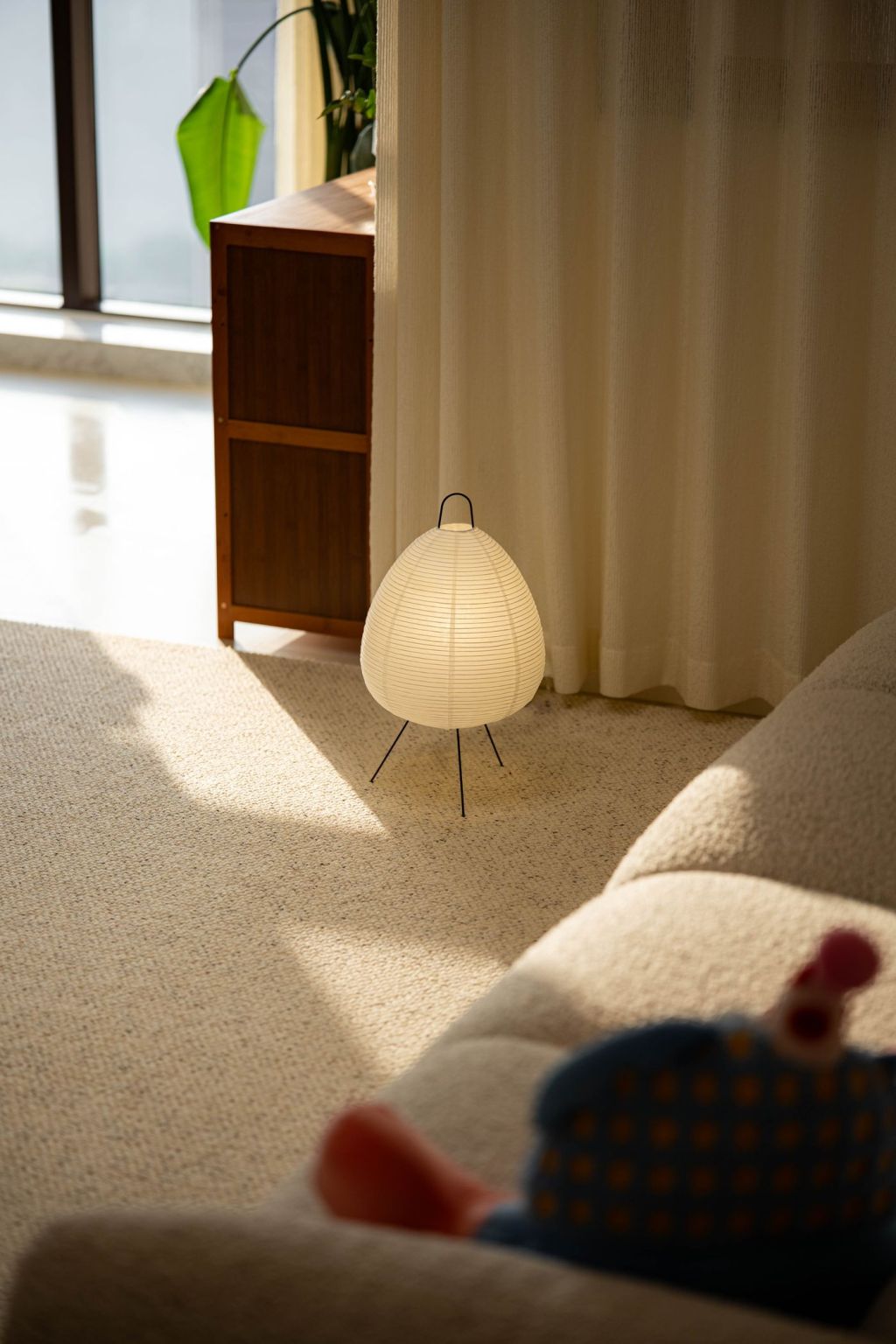
It’s easy to imagine a smart home as an expensive setup full of screens, apps, and devices talking to each other. In reality, the most useful upgrade might be a lamp that turns on before you get home. The best place to start is not with a shopping list. It’s with one small inconvenience you’d like to remove.
Start with a routine you repeat every day
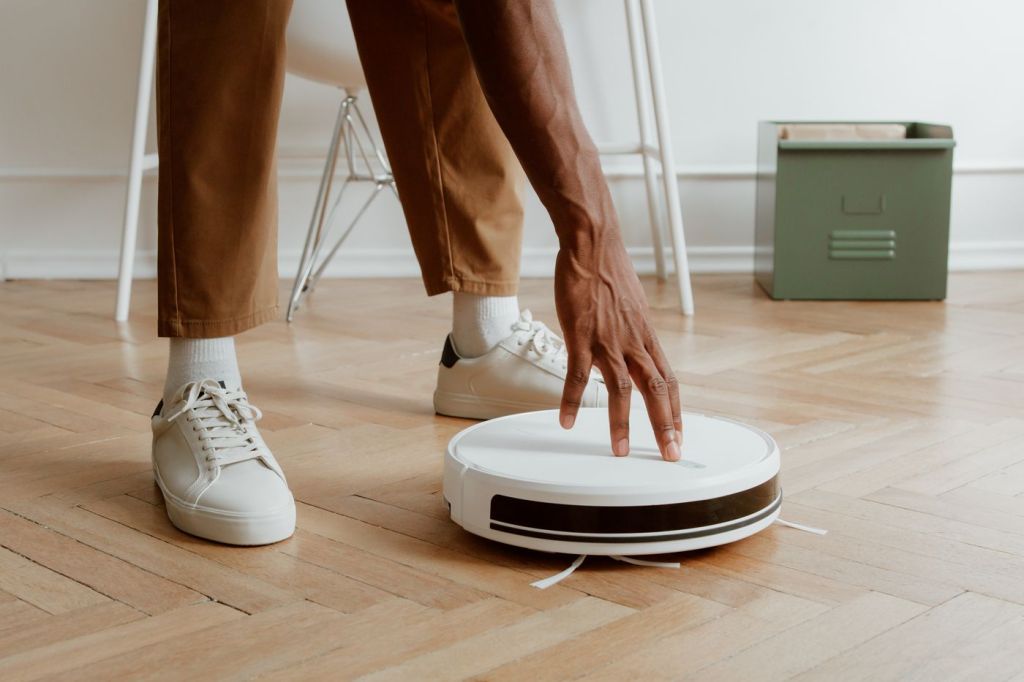
Think about what you do on autopilot: switching on a hallway light, turning off a bedside lamp, or checking whether something was left running. Pick one task and decide whether automation would actually help. If it saves no time and adds another app to manage, it may not be worth it.
Smart bulbs: an easy first experiment
Smart bulbs can offer scheduling, dimming, or adjustable color temperature, depending on the model. They’re a practical starting point for lamps and rooms where lighting makes a real difference. Check the fitting, brightness, compatibility, and whether the wall switch must stay on for smart features to work.
Smart plugs: useful, with limits
A compatible smart plug can schedule an ordinary lamp or another suitable appliance. Always check the plug’s power rating, your local electrical standard, and the connected device’s safety instructions. Do not use smart plugs to bypass safety controls or remotely operate appliances that should never be left unattended.
Motion and contact sensors
A motion sensor can make a hallway light more convenient. A door or window contact sensor can provide a simple open-or-closed notification. Sensors are most valuable when they support a clear need; otherwise, they may become one more thing sending alerts you ignore.
What about smart speakers and hubs?
Voice assistants and hubs can help coordinate devices, but you may not need either at first. Some products connect directly over Wi-Fi; others use a hub or compatible ecosystem. Check interoperability before buying, especially if you want devices from different brands to work together.
Don’t forget privacy and security
Connected devices deserve the same care as your phone or laptop. Use unique passwords, enable multifactor authentication when offered, install updates, and review what data a device collects. Consider whether the feature still works when the internet is down and what happens if the manufacturer stops supporting it.
Renters should think about portability
If you move frequently, start with devices you can take with you: lamps, bulbs, and suitable plug-in accessories. Avoid permanent installation without permission. For hardwired switches, thermostats, or electrical changes, follow local rules and use a qualified professional where required.
Build slowly and keep a budget
Try one device for a couple of weeks before adding more. Does it work reliably? Is it easy for everyone at home to use? Does the convenience justify the cost? A small setup that works every day is better than a collection of gadgets that only looked impressive in the box.
The smartest upgrade is the one you’ll actually use
You don’t need to automate every room. Start with lighting or another simple, repeatable task, then expand only when you discover a genuine benefit. A comfortable home is the goal; technology is just one possible tool to help you get there.



Leave a Reply