You know that feeling when you tidy the living room, turn around, and somehow it still looks busy? The shelves are full, the coffee table collects little things, and every corner seems to be doing three jobs at once. It’s tempting to think the only answer is to throw half of it away.
But what if you actually like your things? Maybe those books are favorites, the extra blankets make movie nights cozy, and the little souvenirs remind you of places you’ve been. You can make a room feel calmer without pretending you live in an empty showroom.
1. Find the clutter hotspots, not the “bad” belongings
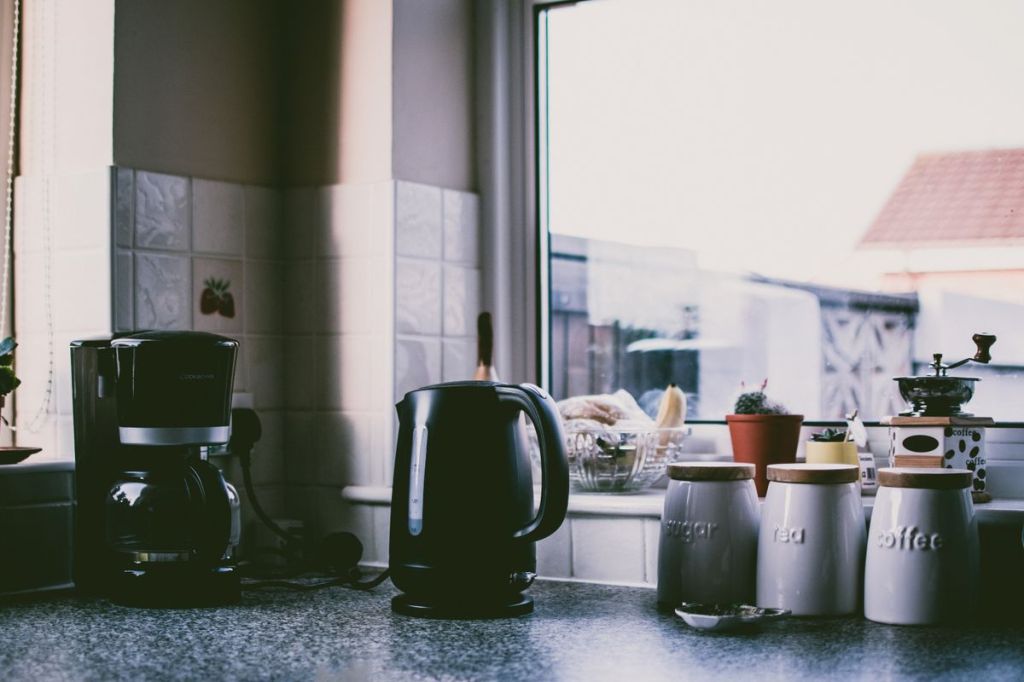
Before buying a single organizer, notice where items naturally pile up. Is it the entryway, kitchen counter, bedside table, or the chair that has quietly become a wardrobe? These spots usually need a better home for everyday objects, not a dramatic clear-out.
Try giving each hotspot one simple solution: a tray for keys, a basket for throws, or a small hook for bags. Start with the place that frustrates you most.
2. Give your favorite things room to breathe
A shelf can look crowded even when every object on it is meaningful. Instead of removing everything, group smaller items together and leave a little open space between groups. Display a few favorite pieces at a time and rotate the rest when you feel like a change.
The goal isn’t minimalism. It’s helping your eye notice the things you love.
3. Make storage work with your routine
Beautiful storage that takes five steps to use rarely stays organized. Choose solutions that match how you live. If you drop mail near the door, put a letter holder there. If blankets end up on the sofa, keep a basket beside it. If chargers wander around, create a charging spot near the outlet you actually use.
Closed storage can make a busy room look quieter, but easy access matters more than a perfectly styled cabinet.
4. Rethink furniture placement before buying more furniture
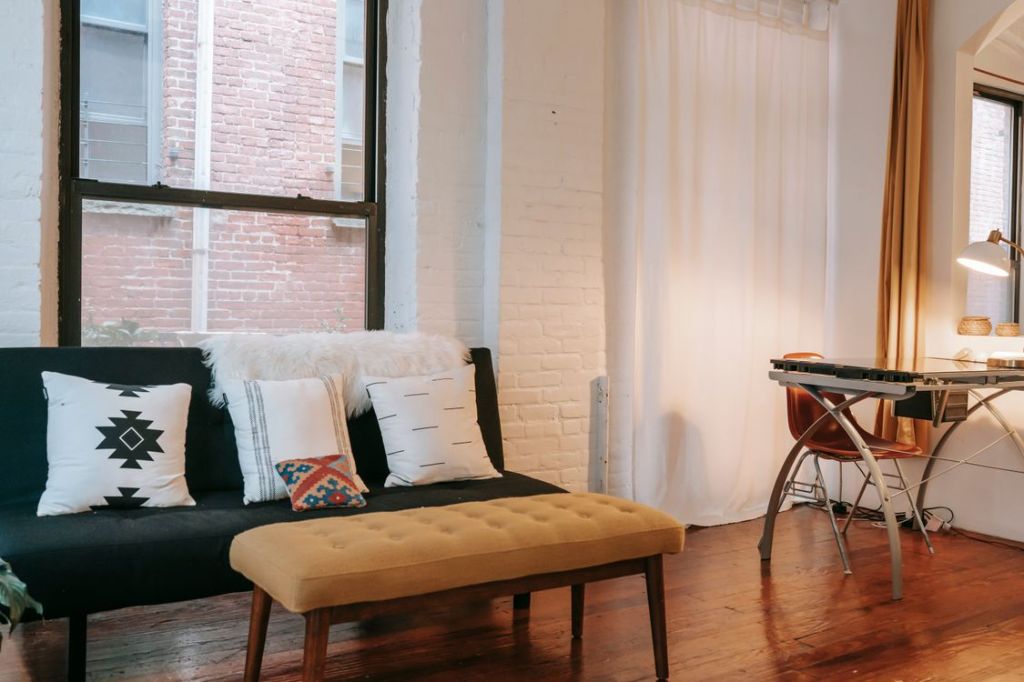
Sometimes the room feels cluttered because movement is awkward. Walk through the space as you normally would. Can you reach the window? Is there a clear path around the sofa? Would moving a side table free up a corner?
Try rearranging what you already own before shopping. Even a small shift can make a room feel easier to use.
5. Use lighting to create calmer corners
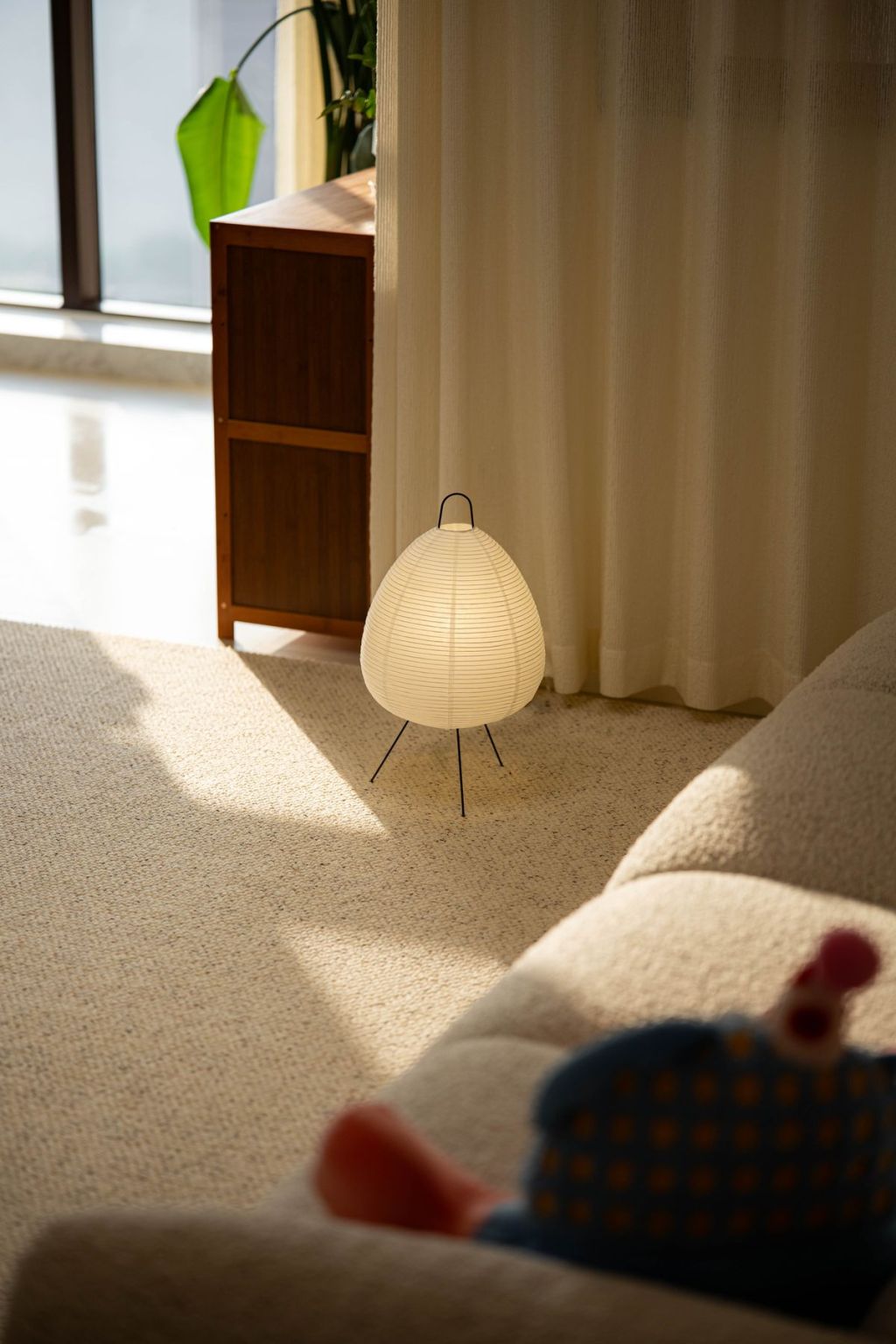
Harsh overhead lighting can make every surface feel equally busy. A table lamp beside your reading chair or warm light near the sofa can give the room a gentler focus. Make sure lighting remains sufficient for tasks and safe for the space.
You don’t need an expensive fixture. Often it’s about placing the light where you spend time.
6. Set up a ten-minute reset
Instead of saving everything for a weekend clean, choose a tiny evening routine. Return cups to the kitchen, fold the blanket, clear one surface, and put tomorrow’s essentials by the door. Ten minutes won’t solve every storage challenge, but it can prevent little piles from becoming overwhelming.
7. Buy organizers last, not first
It’s easy to fall for matching boxes online. But if you haven’t decided what needs storing, those boxes may become more clutter. Measure your shelves, identify what belongs there, and then choose only the organizers that solve a real problem.
A home can be lived-in and still feel peaceful
Your home doesn’t have to look untouched to be beautiful. Keep the books, the cozy throws, and the objects that tell your story. Give them practical places, make room for everyday life, and let “organized enough” be enough.
Start today: Pick one clutter hotspot and improve it using something you already own. See how the space feels before spending anything.


Leave a Reply