When you’re thinking about changing your kitchen, induction and gas cooktops can both seem appealing. One promises a smooth surface that’s easy to wipe. The other offers visible flames and familiar controls. The right choice depends on how you cook, your kitchen’s infrastructure and what you are prepared to maintain.
How induction works
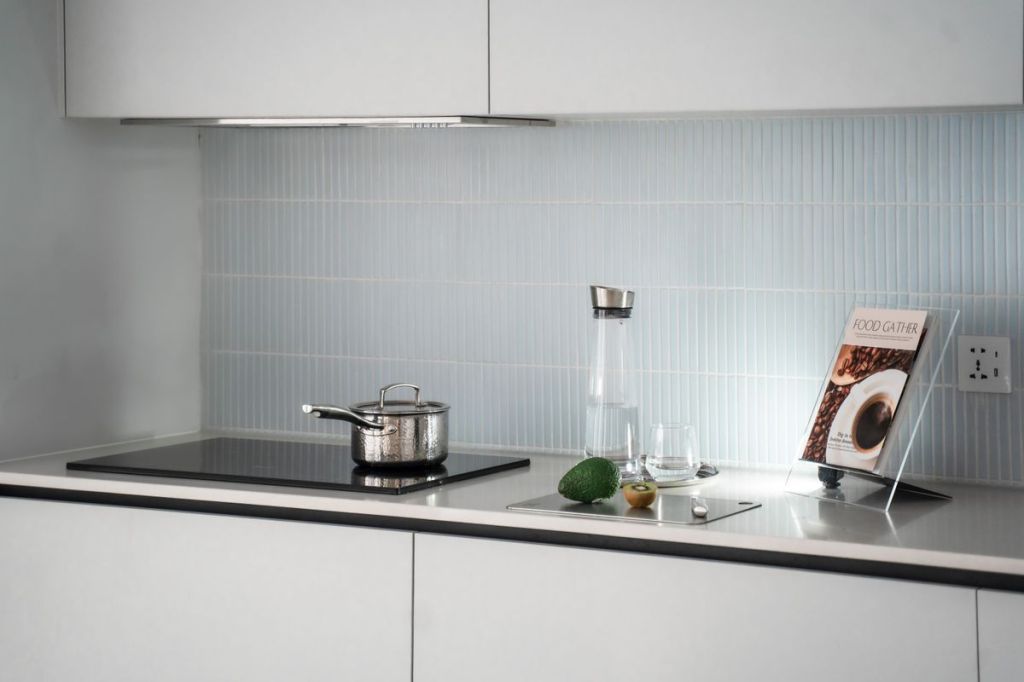
Induction uses an electromagnetic field to heat compatible cookware directly. It can respond quickly and keep the surrounding surface comparatively cooler than traditional radiant electric hobs, although hot pans still transfer heat to the glass. Your cookware must be suitable: a magnet sticking firmly to the base is a useful initial check, but manufacturer guidance is best.
How gas works
Gas burners heat cookware with a flame and allow you to see the heat source. They can work with a wide variety of pans. But they also produce combustion by-products indoors, making appropriate ventilation particularly important. Cleaning burners and surrounding parts can take more effort.
Check the installation constraints
Induction may need a suitable electrical circuit with the correct capacity. Gas installation or modification requires compliance with local rules, safe connections and professional work. Never treat either as a casual DIY swap. Confirm your building rules and get a qualified installer to assess what is possible.
Compare everyday convenience
Think about your favorite pans, cleaning habits, preferred cooking methods and whether power interruptions affect your area. Test controls in person if possible. A smooth surface isn’t automatically the best option for every family, and flame cooking isn’t essential for every recipe.
Don’t judge efficiency by one headline
Energy use, cooking speed and cost depend on the actual model, cookware, habits, utility tariffs and ventilation. Compare credible manufacturer specifications and your local costs. Include installation and any cookware replacements in your budget.
Choose based on your kitchen, not the trend
Write down your top three needs and practical constraints before shopping. If upgrading isn’t urgent, consider smaller changes that make the kitchen easier to use. Our appliance upgrade guide can help you prioritize the purchase that solves a real problem.



Leave a Reply