It’s 10 p.m. You’ve tidied the kitchen, answered one last message and finally sat down. But the living room feels oddly unfinished: too bright, too cold, too cluttered—or simply not comfortable enough to relax in. Before ordering a new sofa or expensive lighting system, try identifying what isn’t working.
Start with the moment that frustrates you
Is the problem that everyone fights over one comfortable seat? That you can’t read without switching on a harsh ceiling light? That the room feels crowded when guests visit? One specific frustration is easier to solve than a vague goal to ‘make the room look luxurious.’
1. Fix the lighting before replacing the furniture
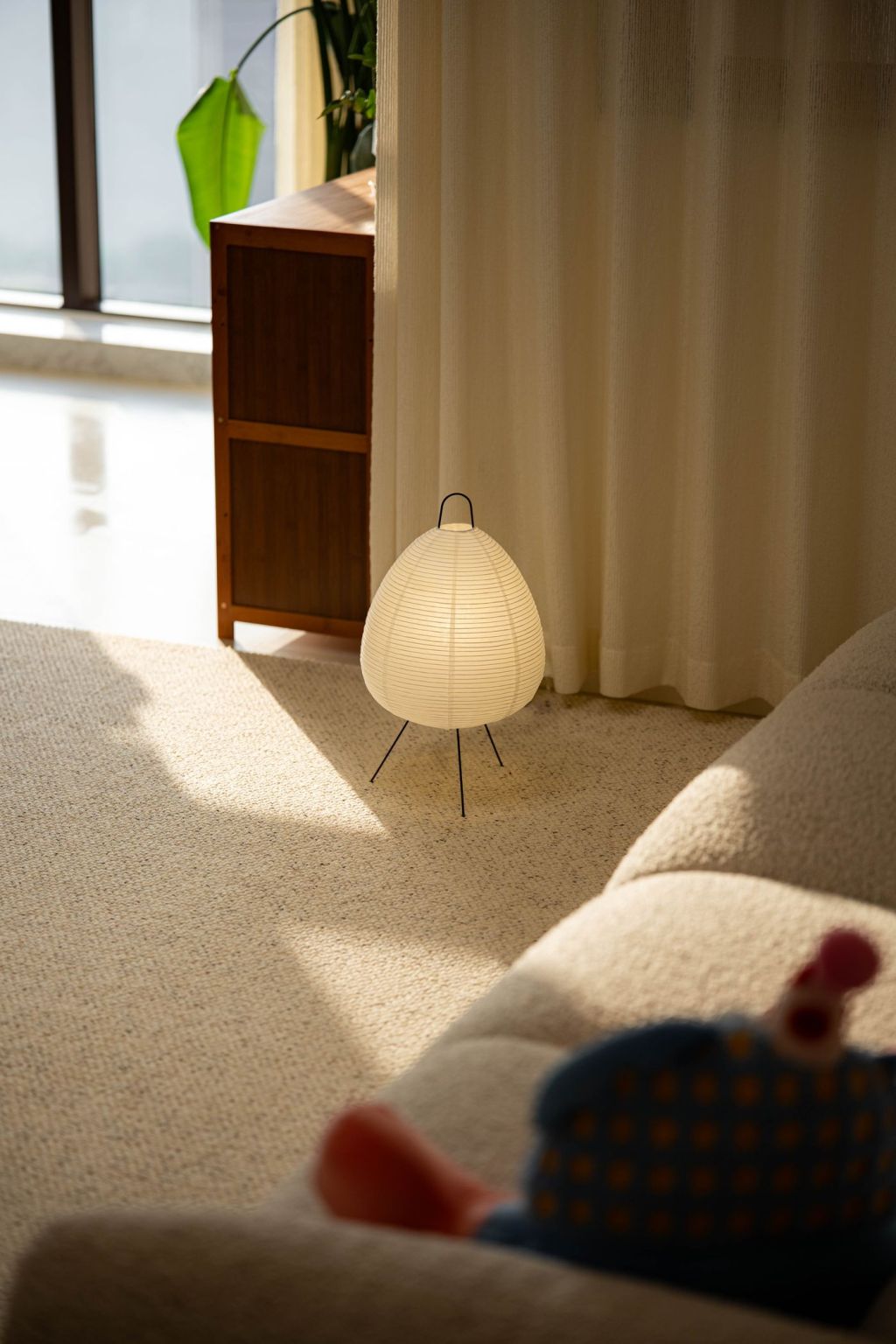
Overhead lighting alone can make an otherwise lovely room feel flat. Try a warm table lamp beside the sofa, a floor lamp near your reading chair or dimmable bulbs where compatible. Think about what you do in the room: reading needs focused light, while winding down often feels better with softer layers.
2. Check the layout and walking space
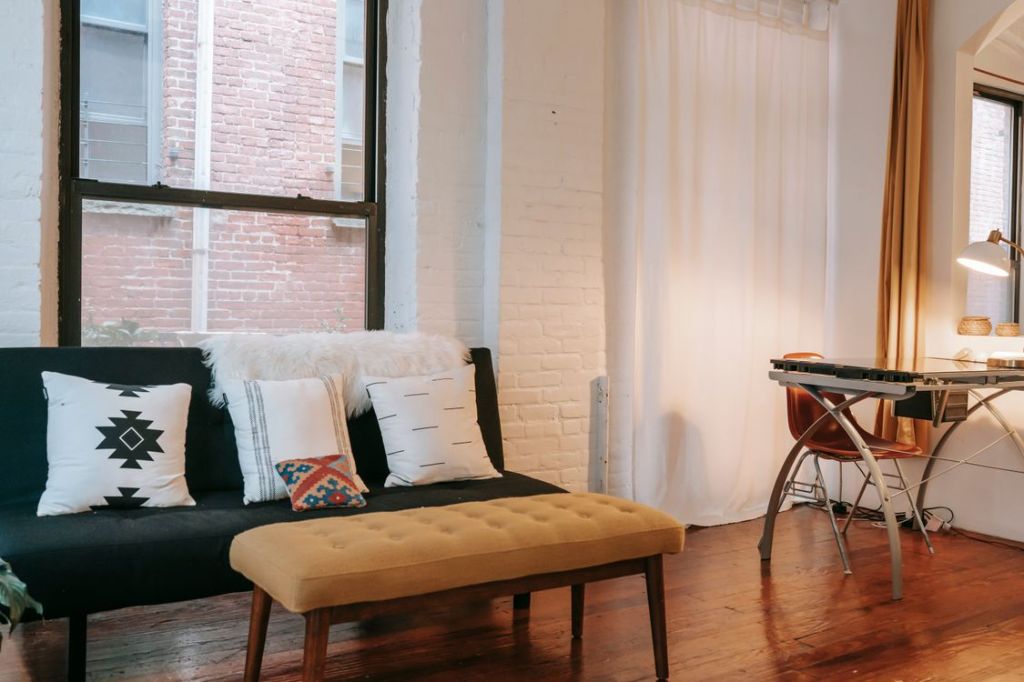
Move a chair, angle a lamp or shift a side table before you buy anything. Can people walk through without squeezing past furniture? Can you reach a drink from your seat? Small layout changes sometimes solve the real problem for free.
3. Be honest about your sofa
A beautiful sofa that doesn’t support how your household actually sits won’t feel like an upgrade. Consider seat depth, fabric cleaning, pets, children, and whether the sofa fits through your doorway. If the existing sofa is structurally sound, new cushions or professional upholstery may be more sensible than replacing it.
4. Improve comfort underfoot and around you
A well-sized rug can make a seating area feel more connected, while curtains may soften light and improve privacy. Check rug grip and door clearance. For rooms that get too hot or stuffy, address ventilation and temperature before assuming another decorative purchase will fix the feeling.
5. Add technology only when it solves something
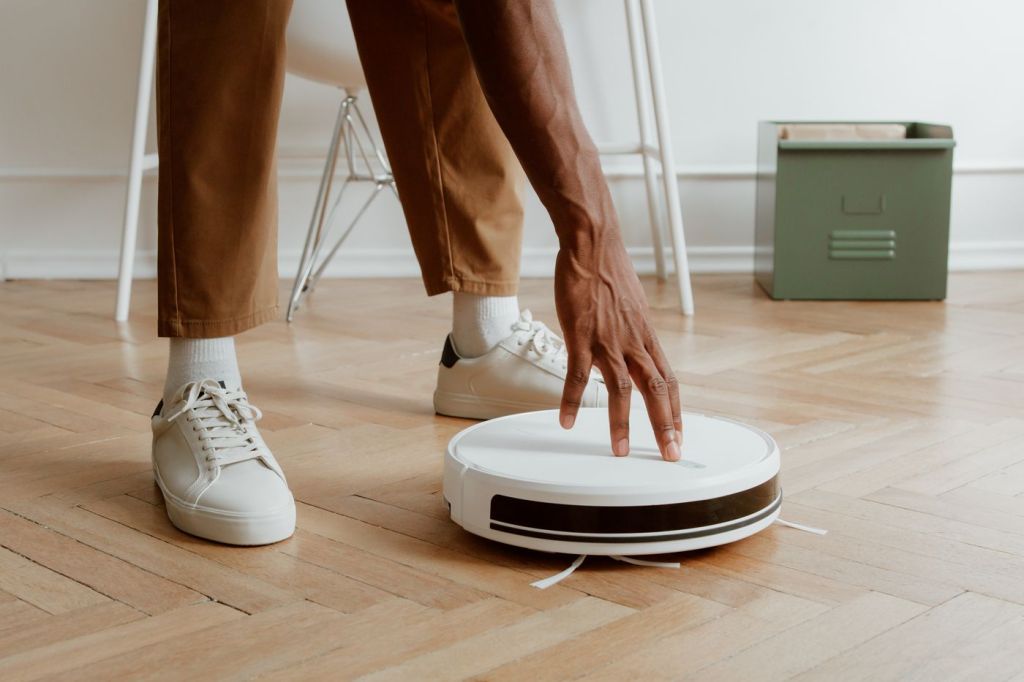
Smart bulbs can help with lighting routines; motorized shades can be useful for hard-to-reach windows; an air purifier may be worth researching if you have a specific air-quality concern. But every smart device adds setup, compatibility and maintenance questions. A regular lamp or better window covering might solve the same problem more simply.
6. Make one change, then live with it
Try a weekend reset: clear surfaces, adjust the seating, move lamps and spend a few evenings using the room. Notice what improved and what still bothers you. That gives you a much better shopping list than scrolling through photos of perfect homes.
When is a premium upgrade worth considering?
Consider a larger purchase when you’ve identified a recurring problem, tried reasonable low-cost fixes and know the upgrade will suit your space and habits. Compare total cost, dimensions, warranties, repair options and return conditions—not just appearance.
A more comfortable home doesn’t have to happen all at once. Sometimes the most useful upgrade is the one you already own, placed in a better spot.


Leave a Reply