There’s something frustrating about a kitchen that doesn’t quite work for you.
Maybe the countertop is always crowded. The cupboards are awkwardly arranged. There’s nowhere convenient to prepare food, and even making a simple breakfast feels like moving five things out of the way.
If you’re renting, the obvious solutions—new cabinets, different countertops, or a complete renovation—probably aren’t realistic.
But here’s the good news: you don’t have to renovate a kitchen to make it more pleasant to use.
Sometimes, a few thoughtful changes can make an everyday space feel noticeably better.
Start With What’s Making Your Kitchen Difficult
Before buying organizers or decorative accessories, take a moment to notice what bothers you most.
Is it the lack of preparation space? Poor lighting? Cupboards that are hard to reach? Or the feeling that everything is constantly on display?
Identifying the actual problem helps you avoid purchasing products that look useful but don’t improve your routine.
After all, another storage basket won’t solve the problem if you don’t have somewhere practical to put it.
1. Give Your Countertop Some Breathing Room
A small kitchen can feel even smaller when every available surface is occupied.
Start by looking at what you genuinely use every day.
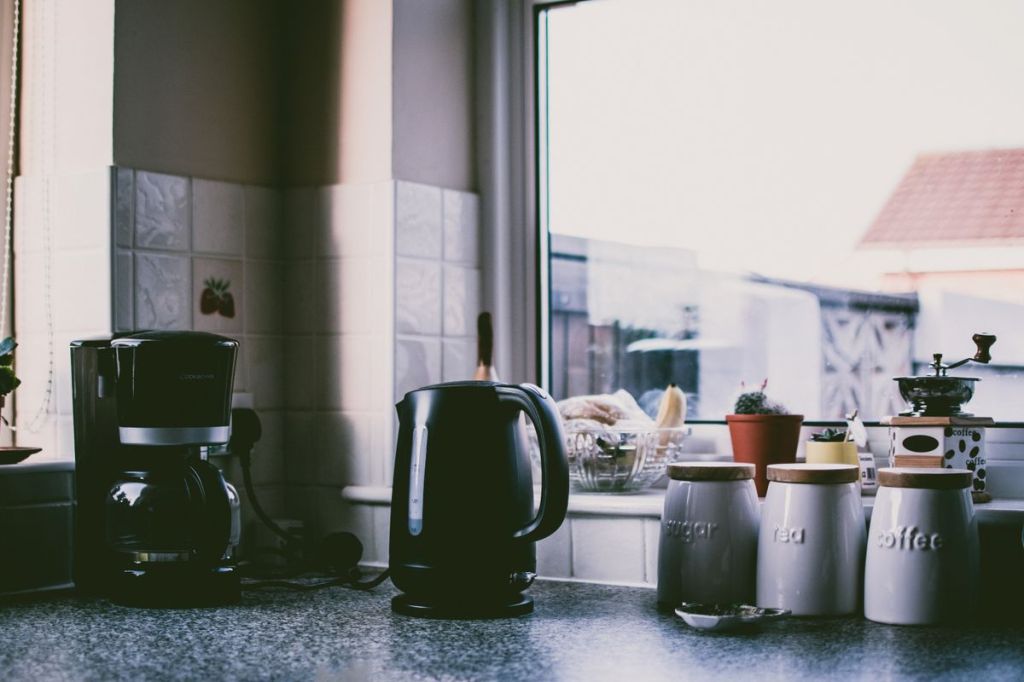
Your kettle or coffee machine might deserve a permanent place. The blender you use once a month probably doesn’t.
Move rarely used appliances into accessible storage and keep the main preparation area clear.
You don’t need a completely empty countertop. Just enough free space to prepare food comfortably without rearranging your entire kitchen.
2. Make Better Use of the Storage You Already Have
Before adding shelves, consider whether the existing cupboards are being used efficiently.
Stackable organizers, adjustable shelf risers, and drawer dividers can help separate items that would otherwise become a messy pile.
You might discover that you have enough storage after all. It’s simply not organized in a way that supports your daily routine.
Choose organizers based on actual measurements, not how attractive they look in photographs.
And if you move frequently, prioritize products you can pack and use again in a different home.
3. Be Careful With Peel-and-Stick Makeovers
Removable backsplash panels, adhesive tiles, and decorative films can make an older kitchen look more modern.
But they aren’t completely risk-free.
Some adhesives can leave residue, damage paint, or react poorly to heat and moisture.
Before using them, check your rental agreement, ask for permission where required, and follow the product’s surface and temperature restrictions.
Test any suitable removable material in an inconspicuous area first.
A beautiful backsplash isn’t worth an expensive repair bill when your tenancy ends.
4. Improve the Lighting Before Changing the Décor
Lighting can influence how comfortable a kitchen feels, particularly when the room receives very little natural sunlight.
Start by cleaning existing fixtures and checking whether the permitted bulbs provide suitable brightness and color.
In some kitchens, a landlord-approved plug-in light can improve a dim preparation area without permanent electrical changes.
Choose products intended for the location, and keep electrical equipment away from water, excessive heat, and cooking hazards.
Good lighting isn’t just decorative. It can also make everyday cooking tasks easier.
5. Consider a Small Kitchen Cart
If you have sufficient floor space, a compact freestanding kitchen cart can provide additional storage and sometimes an extra preparation surface.
Unlike permanent cabinetry, a movable cart may be useful in your next home too.
Look for stability, reliable wheels or locking mechanisms, an appropriate load rating, and a surface suitable for its intended use.
Measure the room before buying.
A cart that blocks cupboard doors or makes it difficult to move around will create more problems than it solves.
6. Create Little Zones That Make Sense
You don’t need a large kitchen to organize it around how you actually use the space.
Keep frequently used mugs close to the coffee area.
Store cooking utensils near the preparation zone, while maintaining safe clearance from heat.
Put cleaning products in a designated place, away from food and out of children’s reach.
These changes might seem ordinary, but they can reduce the number of little interruptions that make cooking frustrating.
7. Make It Feel Like Your Kitchen
Function matters, but so does feeling comfortable in your own home.
A washable kitchen mat, a simple fruit bowl, matching storage containers, or a small plant positioned safely away from cooking areas can make the room more inviting.
You don’t need to buy an entire matching collection.
Often, using fewer items thoughtfully makes a small kitchen feel more intentional than filling every corner with decorations.
What Should You Avoid Spending Money On?
Be cautious about bulky appliances that take up most of your counter space, temporary upgrades that could damage the property, and custom-sized organizers that might not fit your next home.
If you’re likely to move again, think about portability and repeated use.
Ask whether the item solves an everyday problem or simply looks attractive online.
Both can matter, but usefulness deserves priority when space and money are limited.
A Better Kitchen Doesn’t Have to Be a Bigger Kitchen
The goal isn’t to turn your rental into a showroom.
It’s to create a space where preparing breakfast doesn’t feel stressful, where you can find what you need, and where small everyday tasks feel easier.
Start with what you have. Clear one surface, organize one cupboard, or improve one awkward corner.
Then live with the change before spending more.
You might be surprised by how much better your kitchen feels without replacing a single cabinet.



Leave a Reply