You buy two nice chairs, add a few plants and imagine having coffee outside. Then the afternoon sun hits the balcony, and suddenly the prettiest corner of your home is the one nobody wants to use.
It is tempting to buy more furniture or bigger plants to fix the space. But if harsh sunlight is the real problem, begin with shade. The best option is not always the largest or most expensive one.
Notice when the sun makes your balcony uncomfortable
Spend a few days checking where sunlight falls in the morning, at midday and late in the afternoon. A balcony that is pleasant at breakfast might be too exposed by 3 p.m. The direction of the sun matters because shade moves as the day goes on.
Make a quick note of where you want to sit and when you would actually use the space. This helps you decide whether you need a movable umbrella or something more permanent.
Option 1: A freestanding outdoor umbrella
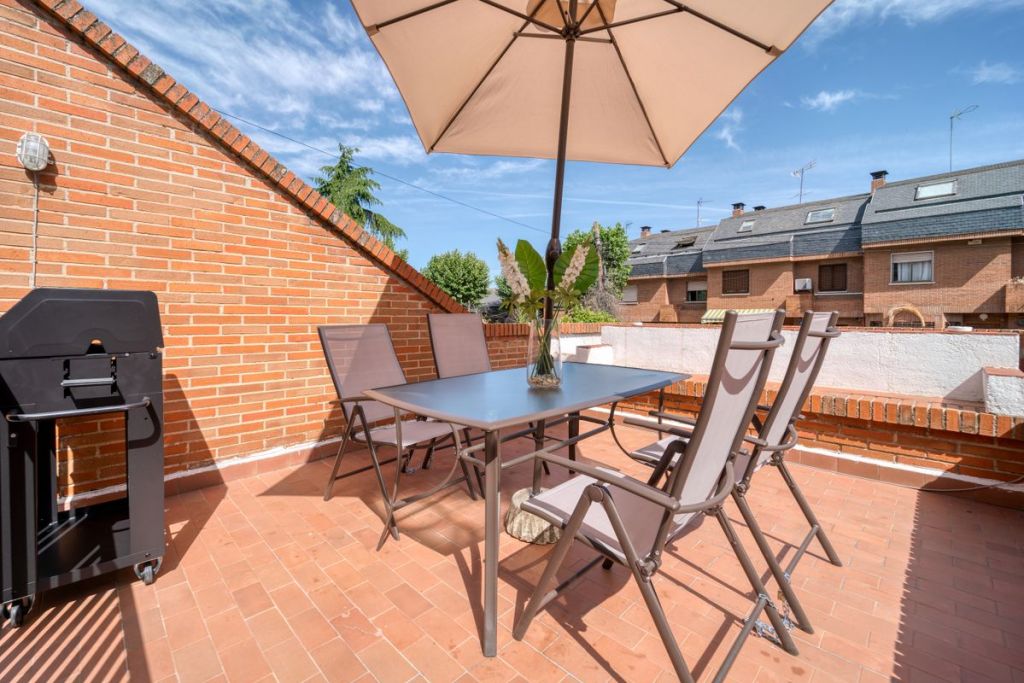
An umbrella can be a practical starting point for a rented home. You can move it, close it and sometimes take it with you when you move. Look at the shape and positioning of the canopy rather than its size alone. A large umbrella that blocks the balcony door is not an upgrade.
Check the manufacturer’s base requirements, weight and wind guidance. Balconies can be surprisingly windy, especially on higher floors. An umbrella should be closed or stored when conditions exceed its specified limits; no portable base makes an open umbrella storm-proof.
Option 2: A shade sail
Shade sails can create a clean, modern look without the visual bulk of an umbrella pole. But they rely on properly designed anchor points and adequate tension. They are not a good do-it-yourself project if the building has not approved the fixings or the structure cannot safely support wind loads.
For renters, check the lease and building rules before considering one. A fabric shade is also not automatically waterproof, so look closely at the material description.
Option 3: An awning or fixed structure
A retractable awning may let you adjust the amount of shade during the day. A pergola or fixed canopy can suit a larger terrace. These options usually require more planning, approval and professional installation. Your building’s rules, available wall structure and local requirements may limit what’s possible.
Before committing, ask how the structure will handle wind, rainwater and routine maintenance—not just how it looks in a photograph.
Make the shaded space feel comfortable
Shade helps, but it doesn’t guarantee a cool balcony. Keep air movement in mind and choose outdoor fabrics and furniture suited to your climate. Light-colored cushions, easy-to-clean surfaces and a small side table may be more useful than a full outdoor sofa set.
Be thoughtful about plants too: choose species suited to the actual light and watering conditions instead of relying on greenery as your main sun protection.
Measure before you buy
Measure the balcony width and depth, the opening path of the door and the space needed to walk past furniture. Then use tape or paper to mark where the umbrella base, chairs or other shade equipment would sit. A simple layout test can save an awkward return.
If you’re still deciding what to put under the shade, read our small-balcony space-saving guide and our article on outdoor furniture materials for sun and rain.
The goal is not to cover every inch of the balcony. It is to create one spot you will actually enjoy using.


Leave a Reply