It starts with a basket of clothes you meant to wash yesterday. Then another load finishes just as you need to leave the house. If your laundry always seems to be waiting for you, a washer-dryer combo can sound like the perfect solution: one machine, fewer steps and no need to find room for a separate dryer.
But the right choice depends less on how clever a machine looks and more on how your household actually handles laundry.
What is the difference?
A washer-dryer combo washes and dries clothes in the same drum. You can often set a wash-and-dry program without moving the load. Separate machines have their own washing and drying cycles, which means you can dry one load while washing another.
That difference is easy to overlook in a showroom. It becomes more important on a weekend when towels, bedding and several loads of clothes need attention.
Start with the space you have
If you live in an apartment with one appliance opening, a combo may be the most practical way to add machine drying. Measure the width, height and depth of the opening, but do not forget door clearance, hoses, ventilation needs and the space required for servicing. Check the actual installation diagram rather than relying on the advertised dimensions alone.
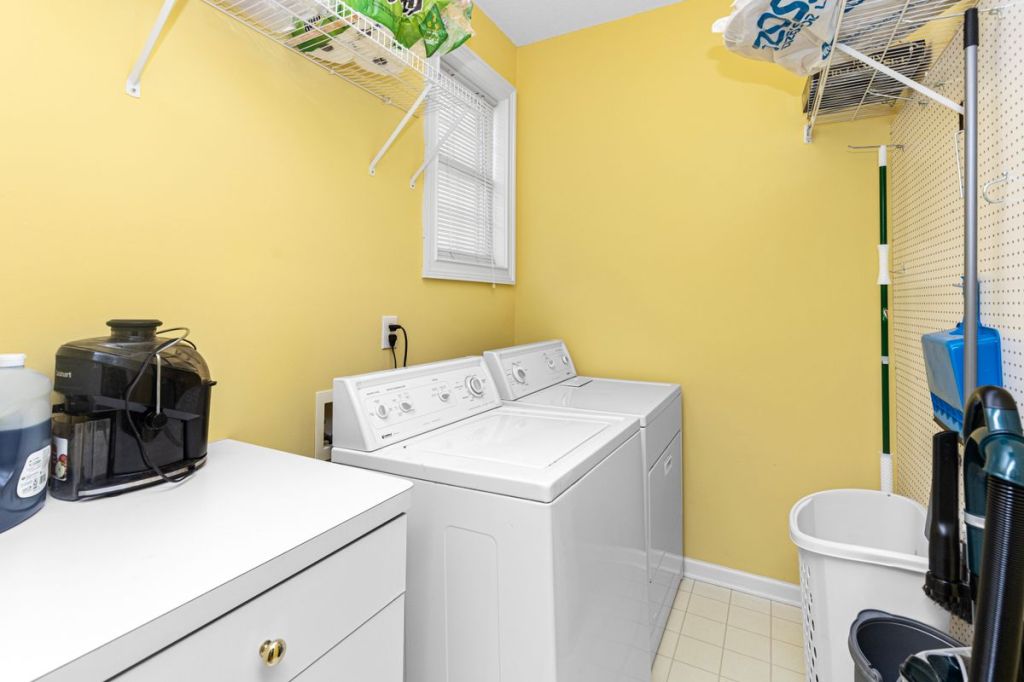
If you have a dedicated laundry room, two separate appliances—or an approved stacked pair—may make more sense. Stacking must use compatible models and the manufacturer’s specified stacking kit.
Pay attention to drying capacity, not just washing capacity
Some combination machines can wash a larger load than they can dry in one cycle. That means a full wash load may need to be split before drying. Check the model’s stated wash capacity and dry capacity separately, especially if you regularly wash sheets or bulky towels.
Also consider how often you need clothes ready quickly. A continuous wash-and-dry cycle may be convenient, but it can take a substantial amount of time. With separate appliances, loads can overlap.
Think about your laundry habits
A combo could suit someone who does smaller loads several times a week and values a simple, hands-off routine. Separate machines may be more convenient for a larger household that produces several loads on the same day. Neither arrangement magically removes sorting, folding or caring for delicate fabrics.
Ask yourself three questions: How many loads do we normally wash in a week? How often do we need clothes dried immediately? And how much space are we prepared to give up?
Compare ongoing costs and upkeep
Don’t assume every combo is cheaper or more expensive to run. Water and electricity use vary by technology, program and model. Compare the energy labels and published consumption figures available in your country, using comparable wash and dry cycles.
Check lint-filter access, drain requirements, cleaning instructions, warranty terms and local service availability too. A single appliance is convenient, but if it needs repair, both washing and drying may be unavailable at once.
So which should you choose?
Choose a combo when space is the biggest constraint and your laundry loads are manageable. Consider separate machines when you have the room and frequently need to wash and dry several loads in succession.
Before buying either option, make a simple list of the laundry tasks that frustrate you most. Our guide to choosing home appliance upgrades around the chores you dislike is a useful starting point. The best upgrade is the one that makes the routine easier—not just the laundry room prettier.


Leave a Reply